| ID |
Date |
Author |
Status |
Type |
Category |
Location |
Title |
|
13
|
Wed Jun 30 20:26:38 2021 |
Kevin Dupraz | Under Process | info | lasers and optics | detectors and electronics | Optical room | Cameras Calibration |
After installing cameras the actual calibration are :
NF_Refl: acA1920-40gm
pixel size (real): 5.86um
Magnification = [0.53,0.56]
pixel size (image): 3.22um
image donne on input plan mirror M1 (accuracy about few mm)
NF_Trans: acA1920-40gm
pixel size (real): 5.86um
Magnification = 1.32
pixel size (image): 7.73um
image donne on output plan mirror M2 (accuracy about few mm)
need to adjust the NF transmission as the Magnification is greater than 1. |
| Attachment 1: NF_Refl_calib_hex2mm__2021-06-23__16-59-26.bmp
|
| Attachment 2: NF_Trans_calib_hex2mm__2021-06-23__17-06-49.bmp
|
| Attachment 3: NF_Inj_calib_DIODE__2021-06-24__10-56-00.bmp
|
| Attachment 4: NF_Inj_calib_DIODE__2021-06-24__10-42-00.bmp
|
| Attachment 5: NF_Trans__2021-06-25__16-38-56.bmp
|
|
15
|
Mon Sep 6 18:17:24 2021 |
Kevin Dupraz | Under Process | report | lasers and optics | detectors and electronics | Optical room | Cavity lock and references |
Cavity is lock and optimized with the NKT. Input power is maximized (10mW).
Cavity mode is in attachement. The reference on camera with BeamProfiler Matlab code is the following:
FF_refl: [2.0883 1.1606]
NF_refl: [5.3869 3.9327]
FF_inj: [1.9491 1.3980]
NF_inj: [5.6431 3.5234]
|
| Attachment 1: NF_Trans_2021-09-06__17-49-00.bmp
|
|
22
|
Fri Sep 24 09:55:35 2021 |
Manar Amer | Under Process | report | lasers and optics | Optical room | Reflection Line Polarization Measuremet |
With the help of Ronic the cavity was locked in preparation to measure the polarization of the reflection line when the cavity is locked (measurement when it is not locked was done before)
the purpose is to compare the two measurements (locked vs not locked)
General details:
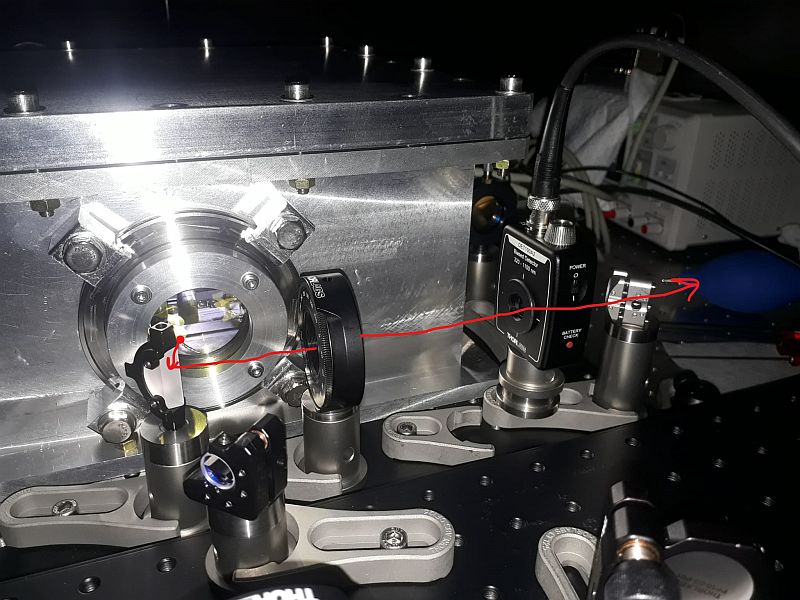
- when not locked : measurements of the polarization was taken from the point where the photodiode is placed in the picture enclose
- When Locked: we can't measure it from that point as we need the line to split into two, one goes to PDH to maintain the lock of the cavity and the other one we use for our measurement.
- The reflection line is split at the point where the beam splitter is (BS, behind the photodiode in picture), we intended to take the measurements from this point.
Observation:
before starting the measurement of polarization, we observed
- the power measured for the reflection line (point at end of red arrow in picture, after BS) is really sensitive to the polarization, it shows when rotating the half-wave plate
- but, when measuring the power at the point shown in the picture (before BS, where the photodiode is placed) it is not sensitive to polarization.
This tells us that the dielectric BS placed in the reflection line affects the polarization.
This could affect the stability of the locking of the cavity, as the PDH is sensitive to polarization.
** Further investigation is needed before proceeding **
Footnotes:
- BS: Beam splitter.
- Dielectric component's sensitivity to polarization
- most of the components placed in the transmission line are dielectric.
|
| Attachment 1: Reflection_line.jpg
|
 |
|
44
|
Mon Dec 6 11:22:08 2021 |
Kevin Dupraz | Under Process | info | lasers and optics | detectors and electronics | Optical room | Cameras Calibration |
| Kevin Dupraz wrote: |
|
After installing cameras the actual calibration are :
NF_Refl: acA1920-40gm
pixel size (real): 5.86um
Magnification = [0.53,0.56]
pixel size (image): 3.22um
image donne on input plan mirror M1 (accuracy about few mm)
NF_Trans: acA1920-40gm
pixel size (real): 5.86um
Magnification = 1.32
pixel size (image): 7.73um
image donne on output plan mirror M2 (accuracy about few mm)
need to adjust the NF transmission as the Magnification is greater than 1.
|
The NF_inj was calibrated with the USB microscope (1.4um/pixel on microscope image). The 5th ring of the lens is about 1.89 mm in diameter.
NF_inj: acA1920-40gm
pixel size (real): 5.86um
Magnification = 1.54
pixel size (image): 9um |
| Attachment 1: grab2021-12-06_10-51-34_325_microscope.bmp
|
| Attachment 2: grab2021-12-06_10-52-11_108_microscope_calib_05mm_ruler.bmp
|
|
45
|
Tue Dec 7 11:48:33 2021 |
Kevin Dupraz | Under Process | info | lasers and optics | detectors and electronics | Optical room | Cameras Calibration |
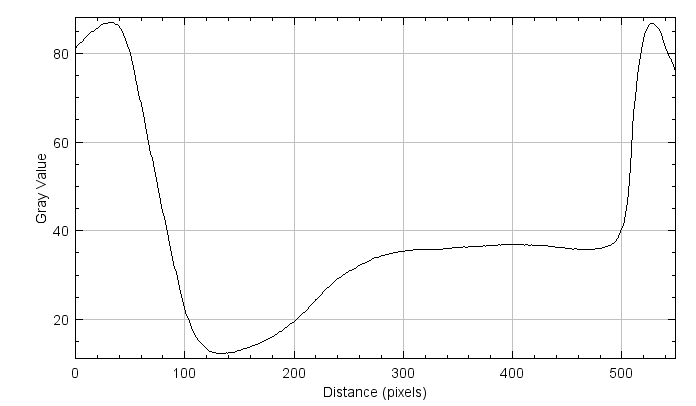
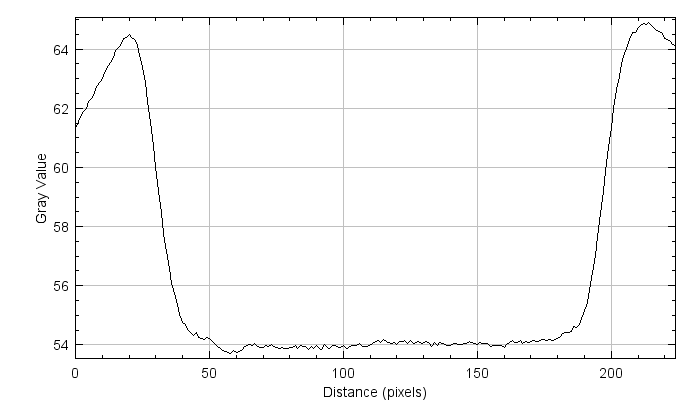
After check a mistake has been found on the magnification. This seems to be the good calibration (feel free to cross check). The projection of the 2mm hex is attached
the calibration are :
NF_Refl: acA1920-40gm
pixel size (real): 5.86um
Magnification = 1.71
pixel size (image): 10um
image donne on input plan mirror M1 (accuracy about few mm)
NF_Trans: acA1920-40gm
pixel size (real): 5.86um
Magnification = 0.68
pixel size (image): 4um
image donne on output plan mirror M2 (accuracy about few mm)
The NF_inj was calibrated with the USB microscope (1.4um/pixel on microscope image). The 5th ring of the lens is about 1.89 mm in diameter.
NF_inj: acA1920-40gm
pixel size (real): 5.86um
Magnification = 1.54
pixel size (image): 9um
| Kevin Dupraz wrote: |
|
| Kevin Dupraz wrote: |
|
After installing cameras the actual calibration are :
NF_Refl: acA1920-40gm
pixel size (real): 5.86um
Magnification = [0.53,0.56]
pixel size (image): 3.22um
image donne on input plan mirror M1 (accuracy about few mm)
NF_Trans: acA1920-40gm
pixel size (real): 5.86um
Magnification = 1.32
pixel size (image): 7.73um
image donne on output plan mirror M2 (accuracy about few mm)
need to adjust the NF transmission as the Magnification is greater than 1.
|
The NF_inj was calibrated with the USB microscope (1.4um/pixel on microscope image). The 5th ring of the lens is about 1.89 mm in diameter.
NF_inj: acA1920-40gm
pixel size (real): 5.86um
Magnification = 1.54
pixel size (image): 9um
|
|
| Attachment 1: Plot_of_NF_Trans_calib_hex2mm__2021-06-23__17-06-49.png
|
 |
| Attachment 2: Plot_of_NF_Refl_calib_hex2mm__2021-06-23__16-59-26.png
|
 |
|
46
|
Fri Dec 10 16:57:56 2021 |
Kevin Dupraz | Under Process | report | lasers and optics | Optical room | Manip 10 12 2021 (optimization injection Burst) |
Manip 10/12/2021
Après recherche de la résonnance principale
- MCS miroirs plan à 5.110250mm (en derive vers les negatifs)
- pic transmission à 5V
- couplage ~7%
Décalage du spot (très faible, à peine visible à la camera NF_refl)
- grosse perte en transmission ==> alignement OK
Grossissement du spot
* début taille_sigma à 0.220mm (calibration NF_Refl)
* nouvelle position en éloignant la lentille 1 taille à 0.300mm ==> max transmission ~3V,
- Walk en vertical ==> pas d'amélioration et dégradation.
- Divergent en entrée de cavité (test à la carte)
* En rapprochant la lentille 1 passage pas le minimum de taille vers 0.190 mm
* Depassement du minimum. Taille faisceau 0.317 mm (0.380 mm sur y) ==> max transmission ~2.5V,
- Walk en vertical ==> pas d'amélioration et dégradation.
- divergence pas apréciable
* On se met au minimum de taille sur la caméra. Taille faisceau 0.178 mm (0.170mm sur y) ==> max transmission ~5.3V
- Couplage 25% max (beaucoup de fluctuations).
- Gros décalage vertical (~ 1 sigma) ne provoque pas une baisse du transmis.
- Décalage horizontal sensible.
Après mangé Ronic a "lockée" la cavité. Le gain de la photodiode en transmission a été changé et la tension sur la résonnance principale est d'environ 600 - 800 mV
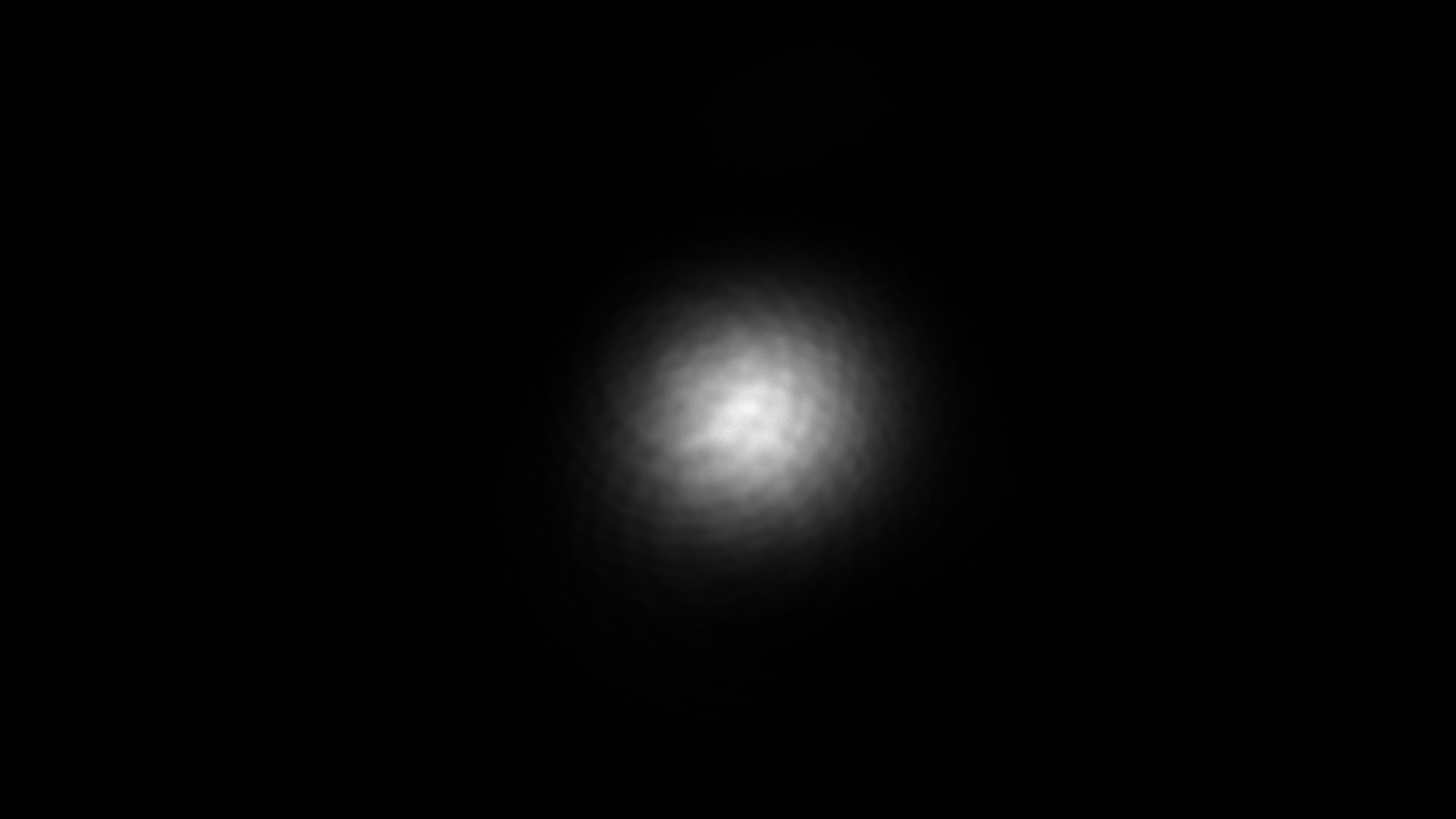
deux images ont été faites en entrée de cavité à environ 18 cm du splitter pour la camera de test afin d'être à peu près à une distance équivalente du miroir d'injection M1.
|
| Attachment 1: NF_Refl__2021-12-10__14-25-08.png
|
 |
| Attachment 2: test__2021-12-10__14-25-08_1920_25gm.png
|
 |
|
47
|
Tue Dec 14 12:59:07 2021 |
Kevin Dupraz | Under Process | report | lasers and optics | Optical room | Manip 14 12 2021 injection optimization (and calibration) |
Matin :
moteurs :
M1, M2 (plans): 5.110500m
M3, M4 (sphériques): -2.900000m
- Optimization de la première L/2 (en sortie tangor), le flux est maximisé en sortie du combiner.
* mesure sortie Tangor (Power meter de puissance) : 85 + 90 mW
* mesure sortie Tangor (Power meter PH100-Si-HA-OD1 "226316" + OD2) : 4.11mW
* mesure avant combiner, entre miroirs de replis Newfocus (Power meter + OD2) : 3.53mW
* mesure après pick-off (injection cavité) (Power meter + OD2) : 2.93mW
- Optimization du couplage avec la polarisation :
* modification de la polarisation injecté dans la cavité
* optimisation du flux reçu sur la photodiode en réflection
* mesure du couplage.
** Optimum trouvé à 15% de couplage (en scan 5Hz, 0-10V)
Position des lambdas :
- L/2 en injection : 333°
- L/4 en injection : 48°
- L/2 en réflection : 225°
- L/4 en réflection : 54°
- Déplacement de la photodiode en transmission.
* Réglage de l'iris au niveau de la photodiode : Iris ouvert PV résonance 31 mV, Iris fermée 25 mV
- Lock de la cavité.
* transmission : 2.65V (60dB)
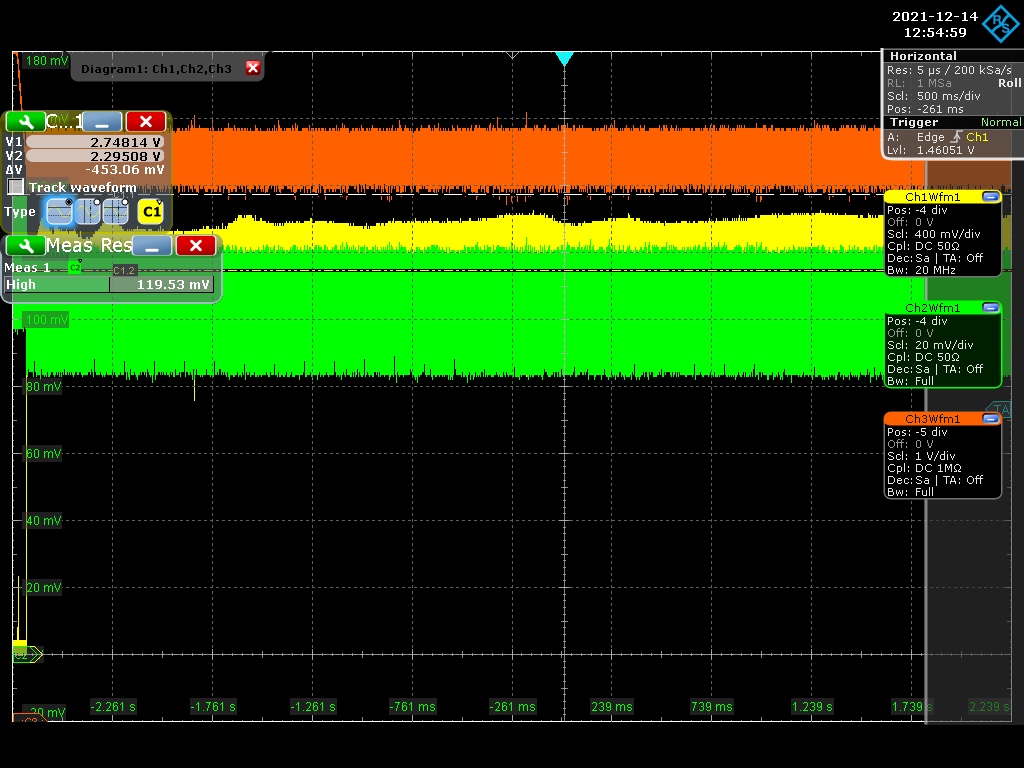
* reflection : 16.5% de couplage
* mesure devant la caméra en transmission (Power meter PH100-Si-HA-OD1 "226316" + OD2) : 0.635 uW
* image (P.J) sauvegardé bin |
| Attachment 1: Screenshot_2021-12-14_2_125459.png
|
 |
|
48
|
Thu Dec 16 10:40:55 2021 |
Kevin Dupraz | Under Process | report | lasers and optics | Optical room | Manip 14 12 2021 injection optimization (and calibration) |
Après-midi :
* Optimisation de l'alignement en injection pour avoir le plus de puissance en transmission
* Optimisation (vérification) de la polarisation pour avoir le plus de couplage.
* tension photoDiode en réflexion (50 Ohm) : max à 136 mV (couplage 20%)
* tension Photodiode transmission PDA100A-EC(50 ohm) : max à 3.6 V (60 dB de gain)
- Passage à 50 W en sortie de TANGOR.
* Vérificaton de l'alignement pour avoir le plus de puissance en transmission.
* Vérification de la polarisation pour avoir le plus de couplage.
* tension Photodiode transmission PDA100A-EC(50 ohm) : max à 4.9 V (40 dB de gain)
* Changement de la polarisation sur la ligne de réflexion (uniquement la lambda/4) pour ne pas saturer la photodiode.
* tension photoDiode en réflexion (50 Ohm) : max à 136 mV (couplage 12%)
* Références caméras :
> NF_refl : x0 = 11.9 mm; y0 = 8.65 mm; sigma_x = 0.185 mm; sigma_y = 0.167 mm.
> FF_refl : x0 = 2.44 mm; y0 = 0.61 mm; sigma_x = 0.241 mm; sigma_y = 0.259 mm.
> NF_inj : x0 = 8.57 mm; y0 = 5.40 mm; sigma_x = 0.123 mm; sigma_y = 0.127 mm.
- Plus de splitter 90/10 en sortie de TANGOR, 4.5 W en sortie TANGOR :
* Compensation du walk-of introduit par ce splitter.
* réalignement de la cavité après locking
* Photodiode Transmission (60dB + densité OD30) : max 2V
* Reflection (près changement de pile) : 18% de couplage (tension max 136 mV, 50 Ohm)
| Kevin Dupraz wrote: |
|
Matin :
moteurs :
M1, M2 (plans): 5.110500m
M3, M4 (sphériques): -2.900000m
- Optimization de la première L/2 (en sortie tangor), le flux est maximisé en sortie du combiner.
* mesure sortie Tangor (Power meter de puissance) : 85 + 90 mW
* mesure sortie Tangor (Power meter PH100-Si-HA-OD1 "226316" + OD2) : 4.11mW
* mesure avant combiner, entre miroirs de replis Newfocus (Power meter + OD2) : 3.53mW
* mesure après pick-off (injection cavité) (Power meter + OD2) : 2.93mW
- Optimization du couplage avec la polarisation :
* modification de la polarisation injecté dans la cavité
* optimisation du flux reçu sur la photodiode en réflection
* mesure du couplage.
** Optimum trouvé à 15% de couplage (en scan 5Hz, 0-10V)
Position des lambdas :
- L/2 en injection : 333°
- L/4 en injection : 48°
- L/2 en réflection : 225°
- L/4 en réflection : 54°
- Déplacement de la photodiode en transmission.
* Réglage de l'iris au niveau de la photodiode : Iris ouvert PV résonance 31 mV, Iris fermée 25 mV
- Lock de la cavité.
* transmission : 2.65V (60dB)
* reflection : 16.5% de couplage
* mesure devant la caméra en transmission (Power meter PH100-Si-HA-OD1 "226316" + OD2) : 0.635 uW
* image (P.J) sauvegardé bin
|
|
| Attachment 1: Screenshot_2021-12-14_3_182645.png
|
 |
|
49
|
Thu Dec 16 12:12:10 2021 |
Kevin Dupraz | Under Process | report | lasers and optics | Optical room | Manip 16 12 2021 montée en puissance |
Matin:
* Redémarrage Tangor 4W
- couplage 15%
- max photodiode Transmission (60dB, OD30) : 1.9V
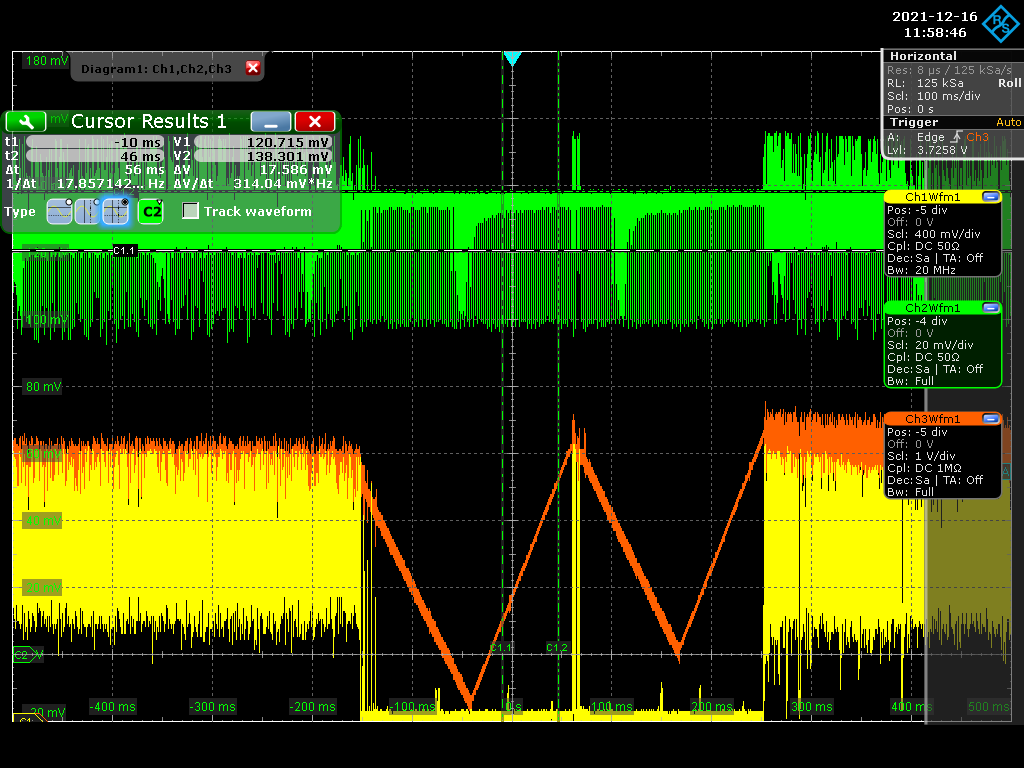
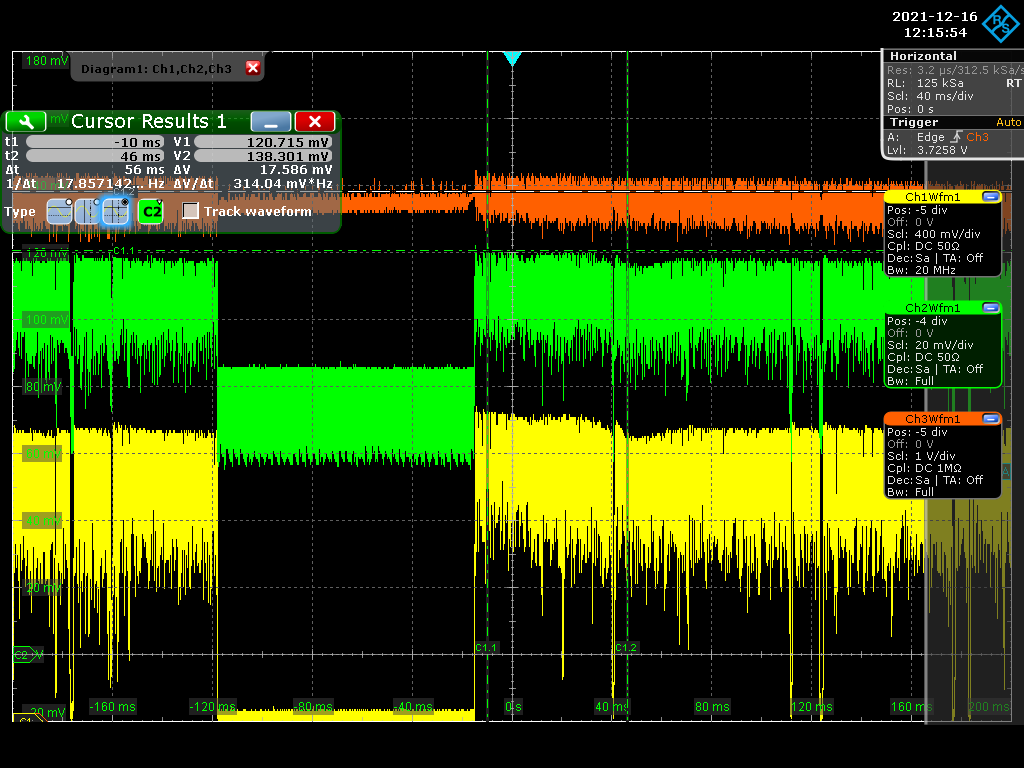
* Montée en Puissance 20 W
- début des effets thermiques : dérive thermique (la cavité chauffe et le piezo doit suivre, la tension baisse)
- max photodiode Transmission (40dB, OD30) : 1.6 V
- Reflection (~12%) ~140mV max:
* quand résonance => plus de signal sur la reflexion que hors lock.
- Hypothèses:
saturation de la photodiode ==> avec une densité OD10 (même effet)
effet de polarisation: essaie avec la densité OD10 (absorbante) dans le faisceau au niveau de la lambda/4 en reflection ==> la densité est brulée (ne tient pas la puissance)
==> essayer avec densité réflective.
* impossible de locker sur le max de transmission |
| Attachment 1: Screenshot_2021-12-16_0_115846.png
|
 |
|
50
|
Thu Dec 16 12:13:52 2021 |
Kevin Dupraz | Under Process | report | lasers and optics | Optical room | Manip 16 12 2021 montée en puissance |
| Kevin Dupraz wrote: |
|
Matin:
* Redémarrage Tangor 4W
- couplage 15%
- max photodiode Transmission (60dB, OD30) : 1.9V
* Montée en Puissance 20 W
- début des effets thermiques : dérive thermique (la cavité chauffe et le piezo doit suivre, la tension baisse)
- max photodiode Transmission (40dB, OD30) : 1.6 V
- Reflection (~12%) ~140mV max:
* quand résonance => plus de signal sur la reflexion que hors lock.
- Hypothèses:
saturation de la photodiode ==> avec une densité OD10 (même effet)
effet de polarisation: essaie avec la densité OD10 (absorbante) dans le faisceau au niveau de la lambda/4 en reflection ==> la densité est brulée (ne tient pas la puissance)
==> essayer avec densité réflective.
* impossible de locker sur le max de transmission
|
|
| Attachment 1: Screenshot_2021-12-16_1_121553.png
|
 |
|
51
|
Thu Dec 16 18:16:12 2021 |
Blanc | Under Process | info | lasers and optics | Optical room | Changements et ajout d'optiques |
Optiques ajoutées :
- splitter 90/10 au début de la voie de réflexion, pour éjecter le flux et éviter que les lambdas ne chauffent.
- deuxième polariser pour avoir une meilleur extinction.
- splitter 10/90 après la première lentille sur la voie d'injection qui envoie 10% du flux sur la photodiode de réflexion.
Optiques changées :
- miroir HR à la place d'un splitter 97/3 à 0° que l'on utilisait à 45° dont le faisceau en transmission allait sur la photodiode de réflexion.
- splitter 70/30 à la place d'un splitter 98/2 à 0° que l'on utilisait à 45° qui divisait champ proche/champ lointain.
Mise en place d'un dump pour le faisceau réfléchi par le splitter 90/10 du début de la voie de transmission. |
|
52
|
Fri Dec 17 17:03:34 2021 |
Kevin Dupraz | Under Process | report | lasers and optics | Optical room | Manip 17 12 2021 reprise réf nouvelle injection pour polarisation |
Tangor : 4.2W
* Réalignement de l'injection suite aux modifications :
- Changement de l'ordre des waveplate maintenant : lambda/4, puis lambda/2
- suppression de l'iris au niveau de la transmission, perte d'au moins un facteur sur le signal en transmission
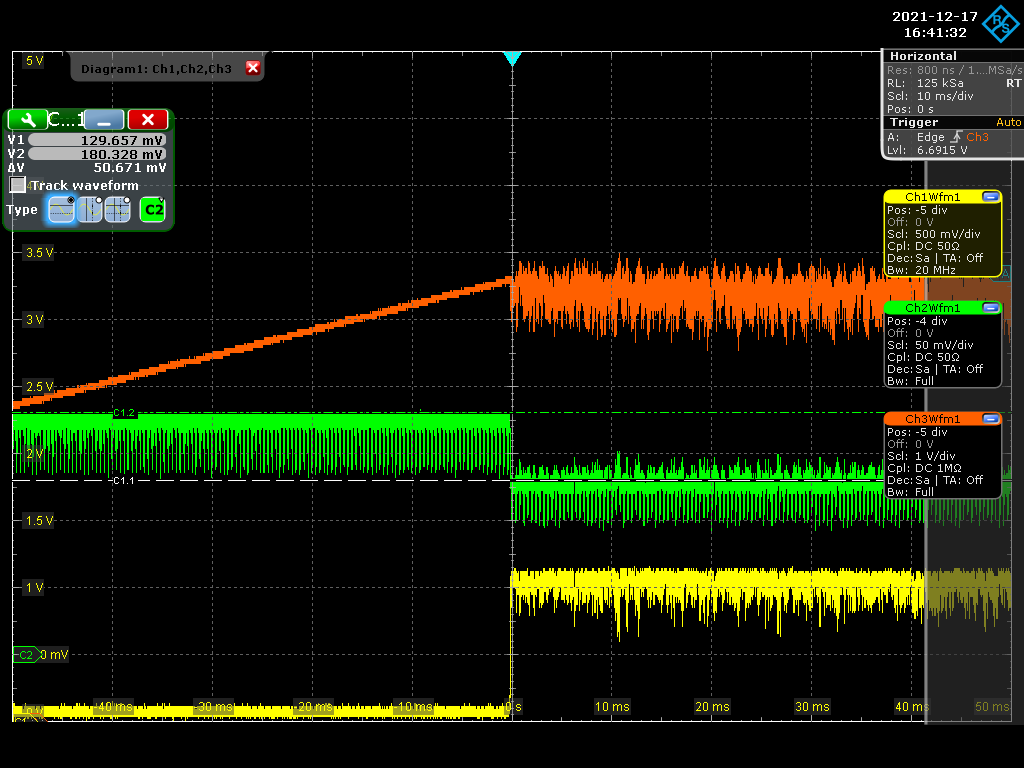
- reprise des références sur les caméras en reflection. (NF:[10.2548, 6.1092], FF:[1.9881, 1.5929])
* Optimisation du couplage en pointé, puis en polarisation
--> Maximum de reflection dans la photodiode (transmission maximale)
- couplage mesuré en réflection : 32% +- 4%(PV) max (180 mV)
- max intensité en transmission (0 dB, sans densité) : 1.1V
Tangor : 20W
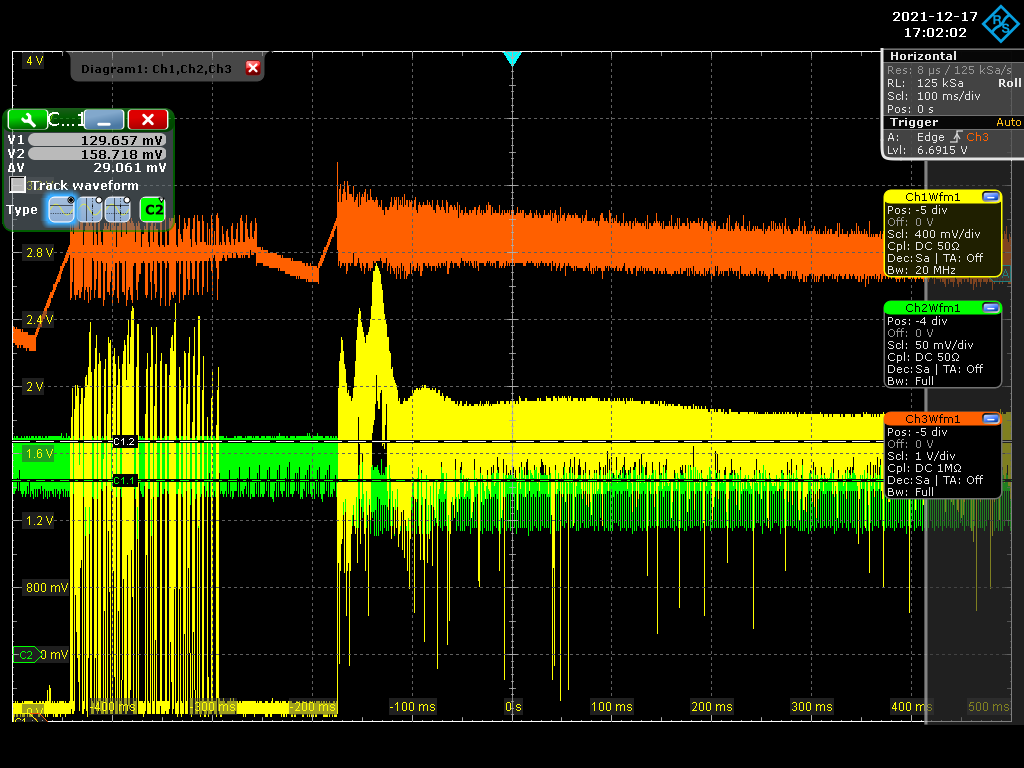
- Montée en puissance: grosse dérive thermique mais le signal en réflection est "correcte".
- transmission (30dB, OD30) : pic max à 2.6 V
"puissance stable", 1.88V
- couplage : 25% (40mV/160mV)
On part en vacances ^^ |
| Attachment 1: Screenshot_2021-12-17_0_164132.png
|
 |
| Attachment 2: Screenshot_2021-12-17_1_170202.png
|
 |
|
55
|
Thu May 19 10:04:05 2022 |
Blanc | Under Process | report | lasers and optics | Optical room | Changement cadence et duty cycle + ref cam |
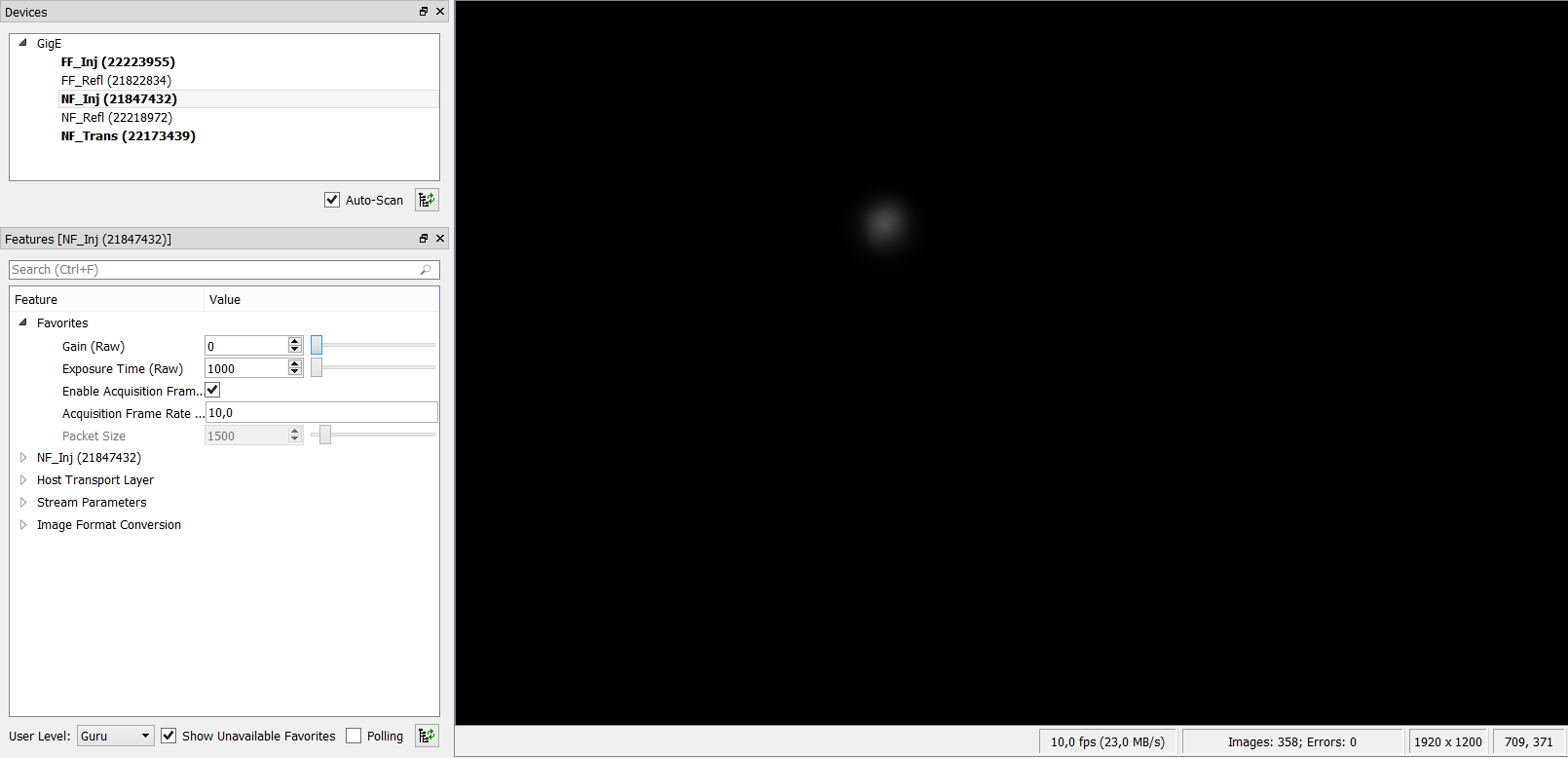
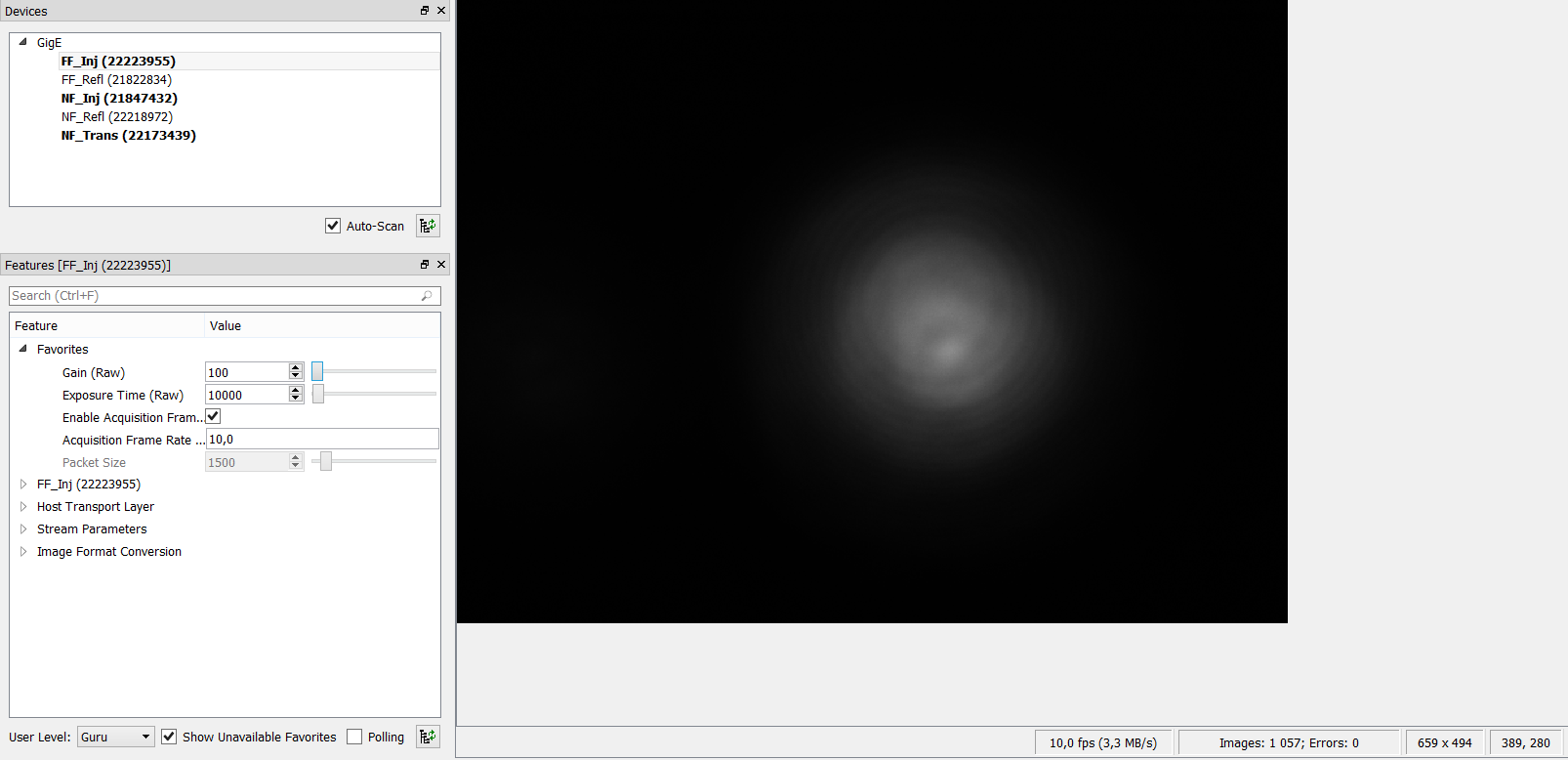
- Prise des nouvelles ref caméras : NF{709;371} , FF{389;280} [Image 1 & 2]
- Placement d'une photodiode rapide en transmission pour voir le train d'impulsions du Tangor à travers la cavité.
- Lock du Tangor en quasi-continue, P_moy = 2W, 100 kHz.
- Baisse de la cadence à 10 kHz, duty cycle 50% (sur le soft), 25 % (sur l'oscillo), à comprendre, P_moy = 1W [Image 3,4,5]
- On observe que la forme du burst a un impact sur le PDH et par consequent sur le piezo [Image3 & 4]
- Possibilité d'ajuster cela en jouant sur le gain du PID, mais si on baisse en cadence, en duty cycle et qu'on monte en puissance cela suffira ? |
| Attachment 1: Ref_NF_inj_18_05_2022.png
|
 |
| Attachment 2: Ref_FF_inj_18_05_2022.png
|
 |
| Attachment 3: Screenshot_2022-05-18_2_165654.png
|
 |
| Attachment 4: Screenshot_2022-05-18_5_173440.png
|
 |
| Attachment 5: Screenshot_2022-05-18_6_174947.png
|
 |
|
56
|
Tue Jun 14 11:16:37 2022 |
Blanc | Under Process | issue | lasers and optics | Optical room | Problèmes Cavitée |
Précédentes ref pour lesquelles la manip fonctionnait :
Caméras :
709 ; 371 NF
389 ; 280 FF
Moteurs :
5.091422 ; 5.091422 ; -2.9 ; -2.9
Problèmes dans la cavité :
- Pas de beating de mode alors que l'on est sur les références d'injection
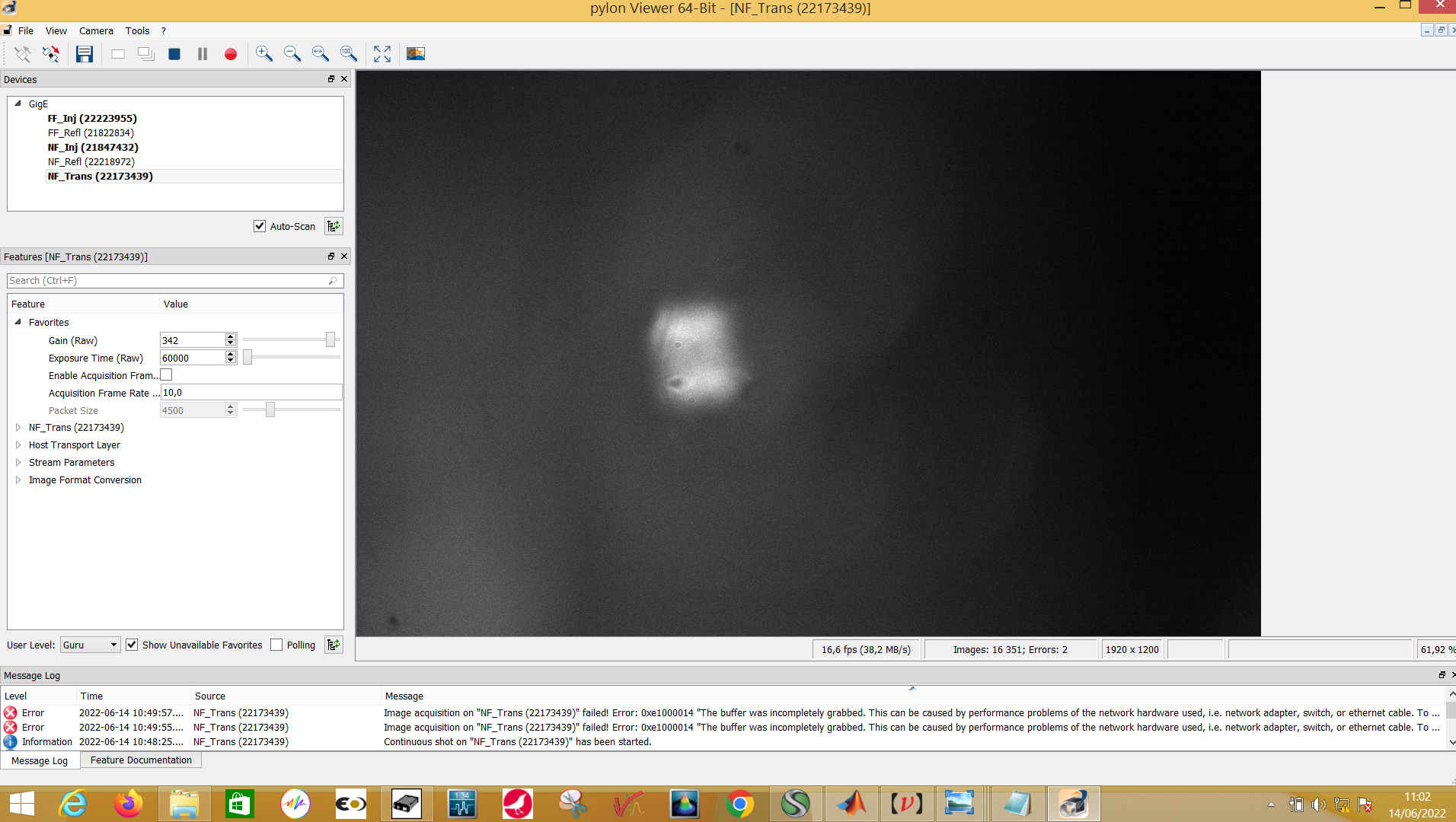
- Faisceau carré en transmission
- Les softs étaient ouverts et la clé de la lockline tournée en position laser alors que j'avais tout fermé à la fin des manips et mis en standby...
|
| Attachment 1: Transmission.PNG
|
 |
| Attachment 2: NF_inj.PNG
|
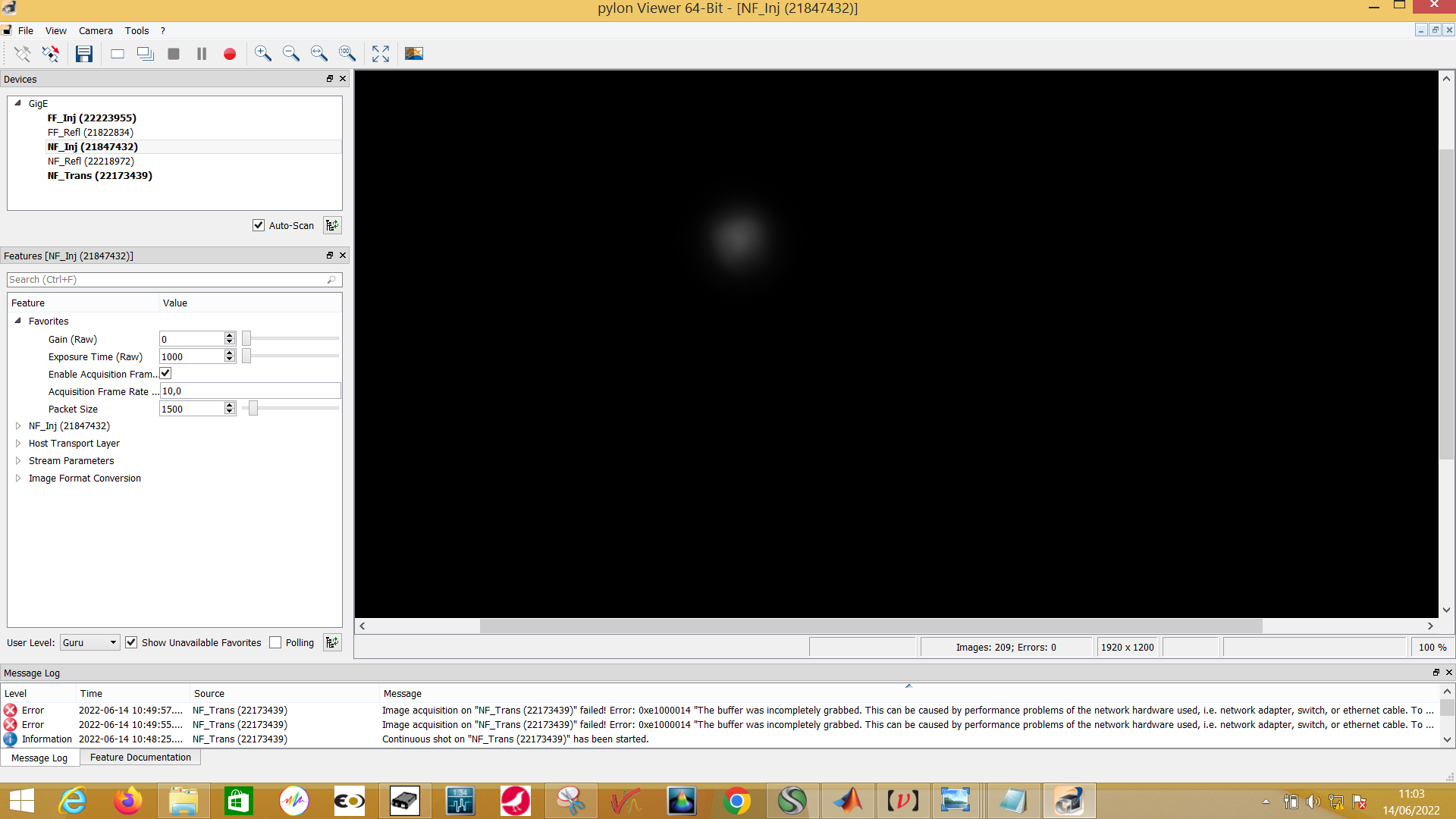 |
| Attachment 3: FF_inj.PNG
|
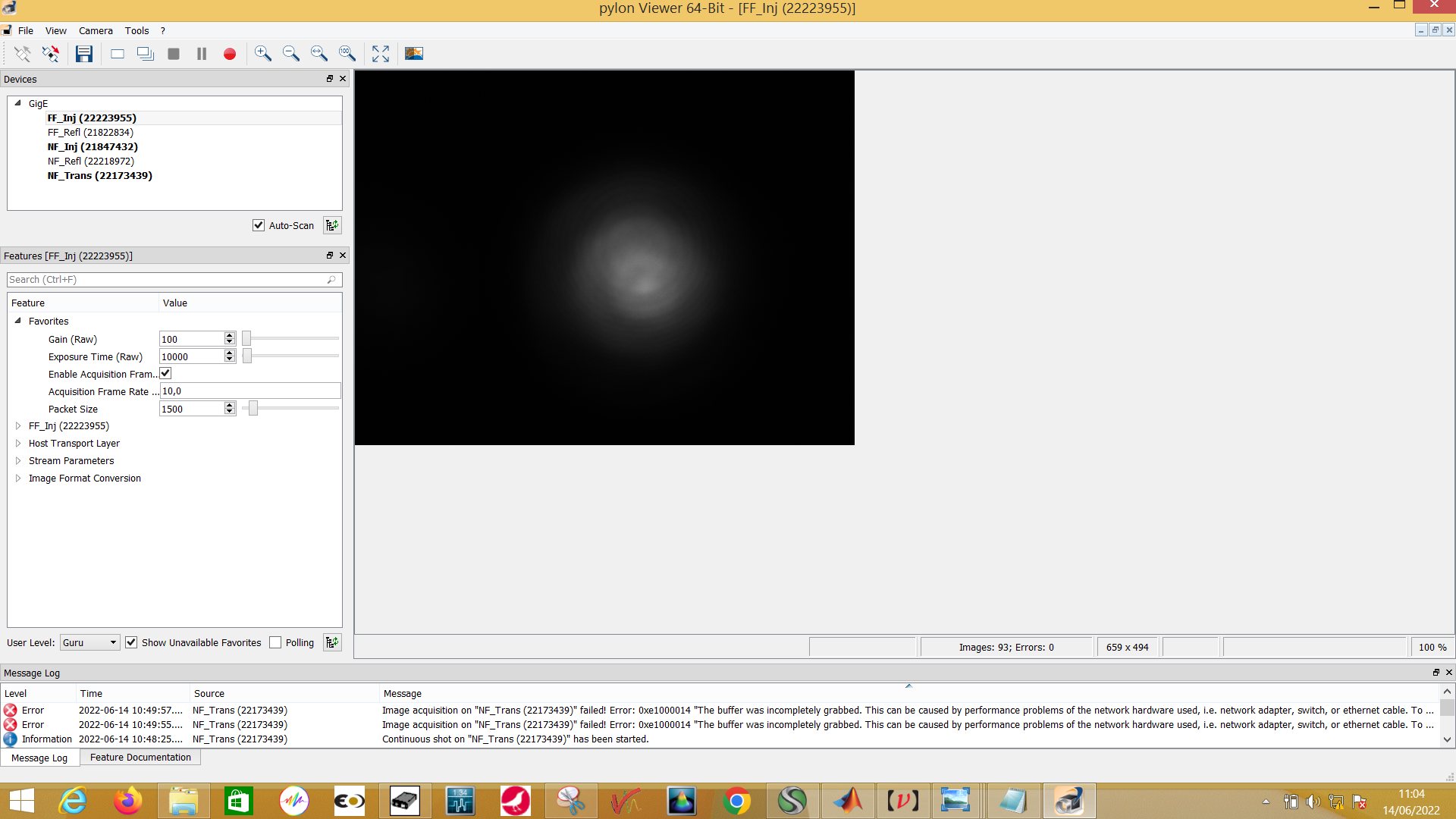 |
|
1
|
Tue Mar 23 18:33:16 2021 |
Ronic Chiche | Fixed | info | lasers and optics | detectors and electronics | Optical room | Phase noise measurement of the Amplitude MIKAN |
Installation of the MIKAN.
powermeter (with OD1) just after the oscillator shows 440mW for 4A of the MIKAN pump current.
Installation of a periscope as the oscillator beam position is very close to the table... not easy to put devices at this height (be aware to use proper wavelength range mirrors: Thorlabs BB1-E03)
Installation of a HALF waveplate to align beam polarisation on the isolator axis
Installation of a High power isolator (the one of ThomX): Newport ISO-FRDY-05-1030-N
powermeter (with OD1) just after the isolator shows 427mW
|
|
2
|
Tue Apr 6 09:25:47 2021 |
Ronic Chiche | Fixed | info | lasers and optics | detectors and electronics | Optical room | Phase noise measurement of the Amplitude MIKAN |
Coupling into a 50-50% fiber coupler using the Thorlabs XYZ table NanoMax TS.
We reached 117mW after the 50% arm which means we coupled about 230mW (the coupling better than 50%).
| Ronic Chiche wrote: |
|
Installation of the MIKAN.
powermeter (with OD1) just after the oscillator shows 440mW for 4A of the MIKAN pump current.
Installation of a periscope as the oscillator beam position is very close to the table... not easy to put devices at this height (be aware to use proper wavelength range mirrors: Thorlabs BB1-E03)
Installation of a HALF waveplate to align beam polarisation on the isolator axis
Installation of a High power isolator (the one of ThomX): Newport ISO-FRDY-05-1030-N
powermeter (with OD1) just after the isolator shows 427mW
|
|
|
3
|
Thu Apr 15 19:45:08 2021 |
Manar Amer | Fixed | report | mechanics | Other | Mirrors Mottors Connections |
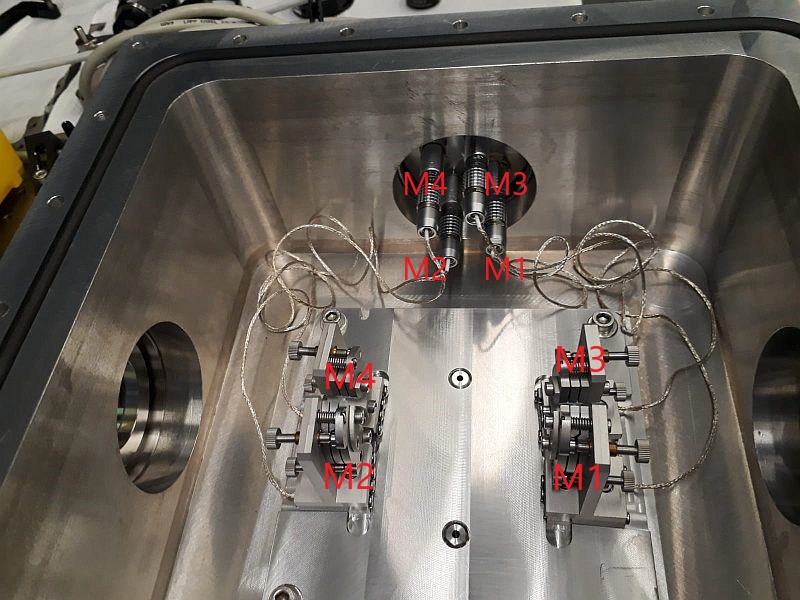
* The connections to control the motors of the mirrors are connected in the order stated :
M1 - M2 - M3 - M4
bottom right - bottom left - top right - top left
* The cables on the back of the box are connected as shown in attached photo
as they are connected they show on the software (Precision Tool commander) as
M1 - M2 - M3 - M4
Ch0 - Ch1 - Ch2 - Ch3
|
| Attachment 1: 20210804_Motor_connections_with_mirrors_inside_cavity_box.jpg
|
 |
| Attachment 2: 20210804_Mottor_cables_behind_cavity_box.jpg
|
 |
|
4
|
Thu Apr 15 19:54:19 2021 |
Manar Amer | Fixed | report | mechanics | cabling | Other | Mirrors Mottors Connections |
Added the cabling to the categories
| Manar Amer wrote: |
|
* The connections to control the motors of the mirrors are connected in the order stated :
M1 - M2 - M3 - M4
bottom right - bottom left - top right - top left
* The cables on the back of the box are connected as shown in attached photo
as they are connected they show on the software (Precision Tool commander) as
M1 - M2 - M3 - M4
Ch0 - Ch1 - Ch2 - Ch3
|
|
|
5
|
Mon Apr 19 18:41:03 2021 |
Manar Amer | Fixed | report | mechanics | cabling | software | Other | Setting up the Motors |
A document attached that describes the procedure needed to:
- connect the motors
- configure the Ethernet connection
- Calibrate and reference the software used to control the motors. |
| Attachment 1: setting_up_the_motors.docx
|
|
6
|
Mon Apr 19 18:47:28 2021 |
Manar Amer | Fixed | report | lasers and optics | Other | Alignment using Helium Neon Laser |
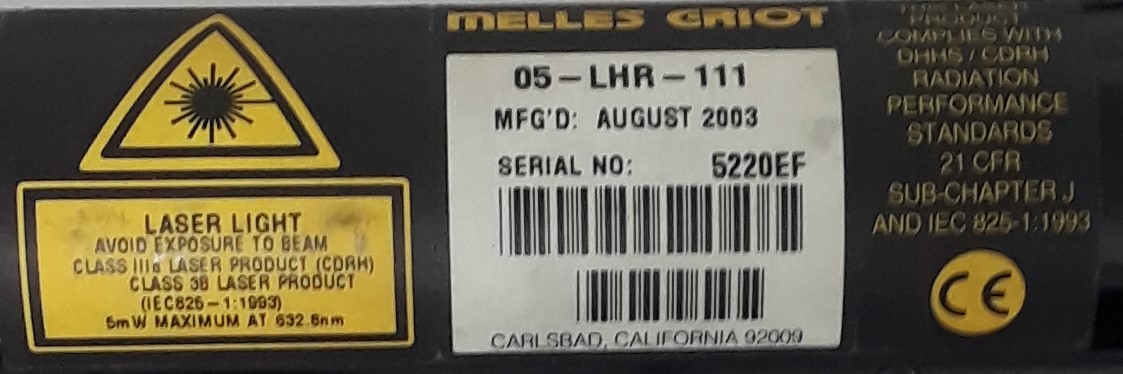
05 April 2021 : A rough alignment of the cavity was done using the Helium Neon Laser. |
| Attachment 1: 20210202__Helium_Neon_laser_parameters.jpg
|
 |